
Anúncios
Japan’s culinary landscape offers an extraordinary journey through flavors, textures, and traditions that have captivated food lovers worldwide for centuries.
From the bustling streets of Tokyo to the refined dining rooms of Kyoto, Japanese cuisine represents a harmonious blend of simplicity and sophistication. Whether you’re biting into crispy takoyaki at a street corner or experiencing the artistry of a multi-course kaiseki dinner, every meal tells a story of cultural heritage, seasonal awareness, and meticulous craftsmanship. This gastronomic adventure promises unforgettable experiences that will transform the way you think about food.
Anúncios
🍜 The Soul of Japanese Street Food Culture
Japanese street food, known as yatai cuisine, forms the beating heart of the country’s casual dining scene. These humble yet delicious offerings provide an authentic glimpse into everyday Japanese life and represent accessibility without compromising quality.
Takoyaki stands as one of Japan’s most beloved street foods. These golden spheres of wheat flour batter contain chunks of tender octopus, tempura scraps, pickled ginger, and green onion. Cooked in specialized molded pans, they’re topped with takoyaki sauce, Japanese mayonnaise, bonito flakes, and aonori seaweed. Watching the vendor skillfully flip each ball with metal picks is entertainment in itself.
Anúncios
Okonomiyaki, often called “Japanese pizza,” originates from Osaka and Hiroshima. This savory pancake combines cabbage, flour, eggs, and your choice of ingredients like pork belly, seafood, or cheese. The name literally means “grilled as you like it,” reflecting its customizable nature. Regional variations showcase local pride and culinary creativity.
Yakitori: The Art of Grilled Perfection
Yakitori refers to skewered chicken grilled over charcoal, though the term now encompasses various meats and vegetables. Traditional yakitori-ya specialize in these simple yet profoundly flavorful skewers, seasoned with either tare (sweet soy-based sauce) or simple salt.
The magic lies in the grilling technique and quality ingredients. Master yakitori chefs understand precise cooking times for each cut, from succulent thigh meat to crispy chicken skin. The smoky aroma wafting through narrow alleyways draws crowds to these intimate establishments, often seating fewer than ten people.
🍱 Convenience Store Cuisine: Japan’s Hidden Gem
Japanese convenience stores, or konbini, deserve special recognition for their surprisingly high-quality prepared foods. Family Mart, 7-Eleven, and Lawson offer an astonishing array of onigiri (rice balls), bento boxes, sandwiches, and seasonal items that surpass typical convenience store expectations.
Onigiri showcases Japanese ingenuity in portable food. These triangular rice parcels feature various fillings like salmon, tuna mayo, umeboshi (pickled plum), or kombu seaweed. The clever packaging keeps the nori wrapper crisp until consumption, demonstrating attention to detail even in everyday items.
Seasonal offerings reflect Japan’s deep connection to nature’s cycles. Cherry blossom-themed treats appear in spring, chestnut desserts in autumn, and warming oden in winter. This rotating selection keeps regular customers engaged and celebrates the changing seasons.
🍣 Sushi: From Conveyor Belts to Counter Seats
Sushi represents Japanese cuisine’s most internationally recognized treasure. However, experiencing sushi in Japan reveals depths of flavor and tradition that overseas interpretations rarely capture.
Kaiten-zushi, or conveyor belt sushi, offers an approachable entry point. Plates glide past on rotating belts, color-coded by price, allowing diners to sample various items at their own pace. Modern establishments incorporate ordering tablets and express delivery lanes for freshly prepared pieces.
The Edomae Sushi Experience
Traditional Edomae sushi represents the pinnacle of the craft. Seated at the counter, you witness the itamae (sushi chef) transform pristine fish into edible art. Each piece arrives at the perfect temperature, with rice slightly warm and fish cool but not cold.
The omakase format entrusts menu decisions to the chef, who selects seasonal ingredients at their peak. This progression typically moves from lighter white fish to richer tuna, followed by cooked items and tamago (sweet egg omelet). Understanding proper etiquette—using hands or chopsticks, applying soy sauce correctly, consuming ginger as a palate cleanser—enhances the experience.
🍜 Ramen: The Ultimate Comfort Bowl
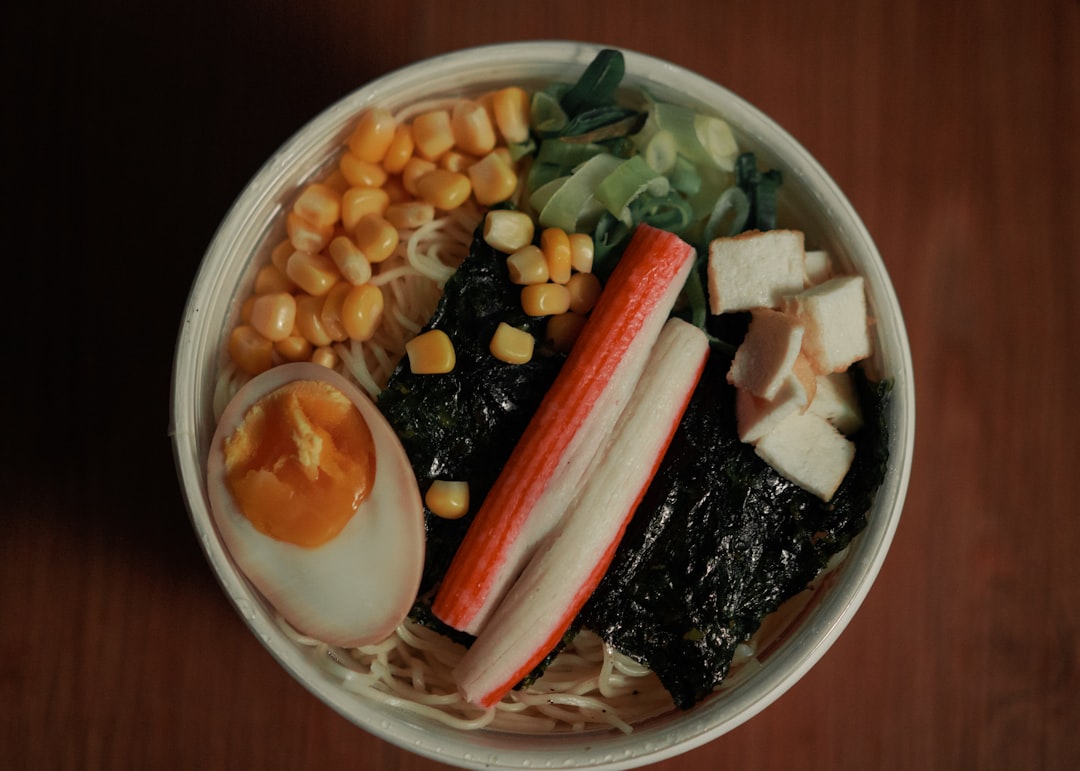
Ramen has evolved from Chinese-inspired noodles to distinctly Japanese regional variations, each with passionate devotees. The four main styles—shoyu (soy sauce), shio (salt), miso, and tonkotsu (pork bone)—merely scratch the surface of ramen’s diversity.
Tonkotsu ramen from Fukuoka features milky-white broth simmered for hours until pork bones release their collagen, creating a rich, creamy texture. Thin, straight noodles provide the ideal vehicle for this luxurious soup. Customization options include noodle firmness, richness level, and toppings like chashu pork, soft-boiled eggs, and wood ear mushrooms.
Regional variations tell geographic stories. Sapporo’s miso ramen incorporates local ingredients suited to Hokkaido’s cold climate. Tokyo’s shoyu ramen features clear, soy-based broth with medium-thick noodles. Hakata-style allows kaedama—ordering extra noodles to add to remaining broth—maximizing value and satisfaction.
🥘 Izakaya: Japan’s Social Dining Hub
Izakaya functions as Japanese gastropubs where colleagues, friends, and families gather to drink and share small plates. These establishments embody Japanese work culture’s social aspects while showcasing diverse regional dishes.
The menu typically includes yakitori, edamame, karaage (Japanese fried chicken), gyoza, and seasonal specials. Ordering multiple dishes for communal sharing encourages conversation and sampling variety. The atmosphere balances casual comfort with service excellence characteristic of Japanese hospitality.
Essential Izakaya Dishes
Agedashi tofu demonstrates simplicity elevated through technique. Silky tofu is lightly fried until crispy outside while maintaining custardy interiors, then served in savory dashi broth with grated daikon and ginger.
Kushikatsu, Osaka’s contribution to fried foods, features skewered meat and vegetables coated in panko breadcrumbs and deep-fried. The golden rule: never double-dip in the communal sauce. This strict etiquette reflects Japanese consideration for others.
🍱 Bento Culture: Art Meets Nutrition
Bento boxes represent Japanese meal planning philosophy, balancing nutrition, visual appeal, and portion control. From train station ekiben to elaborate kyaraben (character bentos), these packed meals showcase creativity and care.
Ekiben, available at train stations nationwide, feature regional specialties that make train travel a culinary adventure. Hokkaido stations offer ikura (salmon roe) and crab bentos, while Kyoto provides elegant vegetarian options reflecting Buddhist temple cuisine influence.
Department store depachika (basement food halls) present stunning bento selections ranging from affordable daily lunches to luxurious celebration boxes. The presentation rivals restaurant plating, with each compartment thoughtfully arranged according to color, texture, and flavor principles.
🍵 Kaiseki: The Pinnacle of Japanese Haute Cuisine
Kaiseki represents Japanese culinary artistry at its most refined. This multi-course dining experience evolved from tea ceremony traditions, emphasizing seasonality, presentation, and the concept of ichi-go ichi-e (treasure every encounter, for it will never recur).
A traditional kaiseki meal progresses through numerous courses, each highlighting specific cooking techniques and seasonal ingredients. The sakizuke (appetizer) awakens the palate, followed by hassun (seasonal delicacies), sashimi, yakimono (grilled dish), takiawase (simmered vegetables), and concluding with rice, miso soup, and pickles.
The Philosophy Behind Kaiseki
Kaiseki chefs train for decades to master not just cooking techniques but also aesthetics, seasonality awareness, and hospitality. Ingredient selection reflects what’s naturally available at that moment, with menus changing monthly or even more frequently.
Plating utilizes ceramics chosen to complement each dish’s colors and textures while representing the season. Spring might feature cherry blossom motifs on delicate porcelain, while autumn employs rustic earthenware echoing fallen leaves. This attention to vessels elevates dining to a multisensory experience.
The experience unfolds in intimate settings, often in private rooms overlooking carefully tended gardens. Kaiseki dining demands presence and appreciation, inviting diners to pause and savor not just food but the entire moment.
🍡 Wagashi and Japanese Sweets
Traditional Japanese sweets, or wagashi, offer delicate flavors that contrast Western desserts’ richness. Made primarily from plant-based ingredients like red bean paste, rice flour, and agar, wagashi pair perfectly with bitter matcha tea.
Mochi demonstrates Japanese textural preferences. This glutinous rice cake ranges from simple grilled variations to elaborate daifuku filled with sweet bean paste and strawberries. Seasonal versions incorporate cherry blossoms in spring or chestnuts in autumn.
Modern Japanese desserts blend Western techniques with local ingredients, creating unique confections. Matcha appears in everything from soft-serve ice cream to elaborate parfaits. Hokkaido’s dairy reputation spawns exceptional cheesecakes and cream-based desserts that have achieved cult status.
🥃 Pairing Your Culinary Journey
Japanese beverages deserve equal attention to food. Beyond sake, which ranges from dry and crisp to sweet and aromatic, Japan produces exceptional whisky, craft beer, and shochu (distilled spirits).
Sake appreciation involves understanding grades like junmai (pure rice) and daiginjo (highly polished rice), temperature preferences, and regional brewing styles. Some sake complements sushi’s delicate flavors, while others stand up to grilled meats or spicy dishes.
Japanese whisky has gained international acclaim, with distilleries in regions like Yamazaki and Yoichi producing world-class single malts. The climate’s influence on aging creates distinctive flavor profiles that whisky enthusiasts treasure.
🗾 Regional Specialties Worth Seeking
Japan’s regional diversity means each prefecture boasts unique dishes shaped by local ingredients, history, and geography. Exploring these specialties provides deeper cultural understanding beyond Tokyo’s cosmopolitan offerings.
Hiroshima-style okonomiyaki layers ingredients rather than mixing them, creating distinct textural experiences. Nagoya’s miso katsu coats pork cutlets in rich red miso sauce rather than typical tonkatsu sauce. Okinawa’s cuisine reflects Ryukyu Kingdom heritage with dishes like goya champuru (bitter melon stir-fry) and taco rice showing American influence.
Hokkaido’s seafood reputation stems from cold, pristine waters producing exceptional uni (sea urchin), crab, and salmon. The island’s dairy industry yields remarkable cheeses, butter, and milk that elevate Japanese-Western fusion dishes.
📱 Navigating Japan’s Food Scene
Modern technology simplifies culinary exploration in Japan. Translation apps help decipher menus, while restaurant reservation platforms provide access to exclusive establishments. Food-focused applications offer recommendations, reviews, and mapping features that guide hungry travelers.
Many restaurants display incredibly realistic plastic food models in windows, allowing visual menu browsing regardless of language barriers. These sampuru help diners make informed choices and represent a uniquely Japanese solution to communication challenges.
Understanding basic restaurant etiquette enhances experiences. Remove shoes when entering tatami rooms, say “itadakimasu” before eating, avoid tipping (considered rude), and express gratitude with “gochisousama deshita” after finishing meals.
🌸 Seasonal Eating: Japan’s Natural Calendar
Shun, the concept of eating foods at their seasonal peak, governs Japanese culinary thinking. This philosophy ensures optimal flavor while maintaining connection to natural cycles and environmental sustainability.
Spring brings bamboo shoots, sakura-themed treats, and celebrations of new beginnings. Summer features unagi (grilled eel) to combat hot weather’s energy drain, plus refreshing somen noodles and kakigori (shaved ice). Autumn’s harvest yields chestnuts, mushrooms, and sanma (Pacific saury). Winter demands warming nabe (hot pot) dishes and rich, comforting flavors.
This seasonal awareness extends beyond ingredients to presentation and atmosphere. Restaurants adjust lighting, tableware, and decorations to reflect the current season, creating holistic dining environments that honor nature’s rhythms.

💡 Making the Most of Your Culinary Adventure
Successful food exploration in Japan requires openness, respect, and strategic planning. Popular restaurants fill quickly, especially for dinner, so advance reservations prove essential for kaiseki establishments and renowned sushi counters.
Lunch offers excellent value at high-end restaurants, providing similar quality at lower prices. Many kaiseki restaurants offer simplified lunch courses that introduce the cuisine without the commitment and expense of full dinners.
Don’t fear language barriers or unfamiliar ingredients. Japanese hospitality, known as omotenashi, means staff genuinely want guests to enjoy their experience. Pointing, gesturing, and displaying genuine interest communicate effectively across language divides.
Food halls, markets, and festivals provide opportunities to sample multiple items affordably. Tokyo’s Tsukiji Outer Market (the inner wholesale market relocated to Toyosu) remains a breakfast destination for fresh sushi and street food. Kyoto’s Nishiki Market showcases Kyoto-style pickles, sweets, and specialty ingredients.
Embrace unexpected discoveries. Some of Japan’s best meals happen at tiny neighborhood shops with no English signage, where locals gather for honest cooking and warm atmosphere. These unplanned encounters often become trip highlights, offering authentic glimpses into Japanese daily life that guidebooks cannot replicate.
Japan’s culinary landscape rewards both careful research and spontaneous exploration. From the theatrical preparation of street food to kaiseki’s meditative elegance, each meal offers opportunities to understand Japanese culture through its most delicious ambassador. The country’s respect for ingredients, mastery of technique, and commitment to hospitality create unforgettable dining experiences that transcend simple sustenance, becoming treasured memories that linger long after the last bite.
