
Anúncios
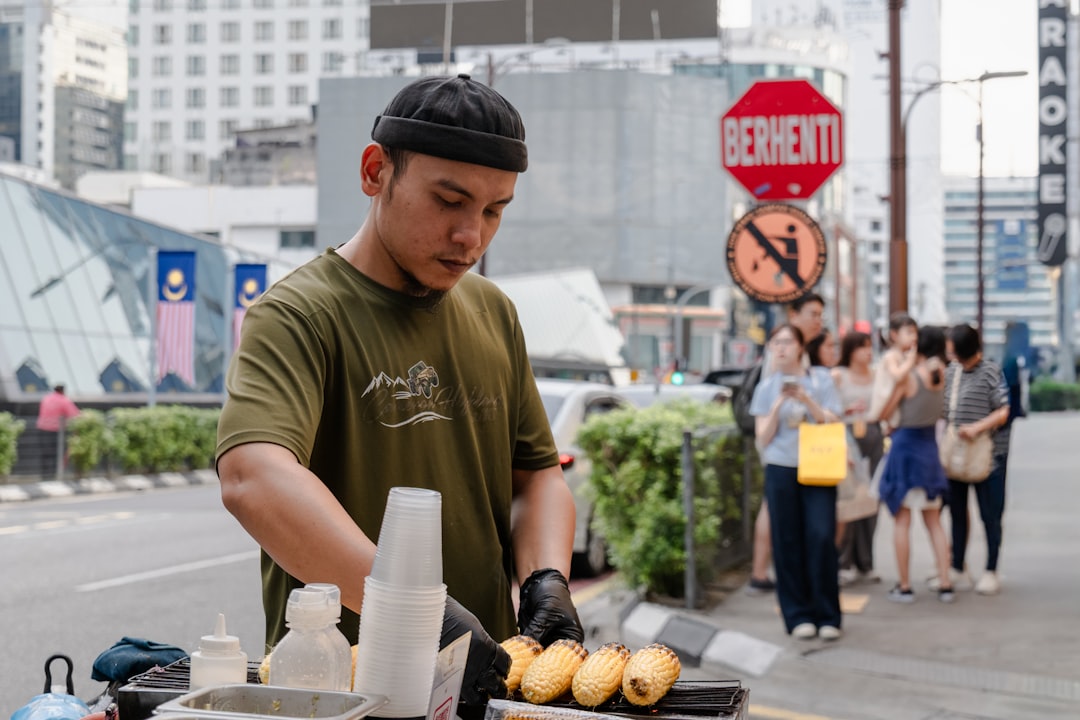
Street food has evolved from humble sidewalk snacks into a global culinary phenomenon. Today’s food lovers are seeking authentic, bold flavors served quickly from carts, stalls, and pop-ups around the world.
This transformation reflects changing attitudes toward dining, where quality and authenticity matter more than formal settings. Street vendors have become respected culinary artists, and their creations are inspiring high-end restaurants worldwide. The boundaries between casual street bites and gourmet experiences continue to blur, creating exciting opportunities for adventurous eaters everywhere.
Anúncios
🌍 The Rise of Street Food Culture Worldwide
Street food represents the soul of a city’s culinary identity. From Bangkok’s bustling night markets to Mexico City’s taco stands, these mobile kitchens offer windows into local traditions, ingredients, and cooking techniques that have been perfected over generations.
The global appreciation for street food has exploded in recent years, fueled by social media exposure, food tourism, and celebrity chef endorsements. What was once considered cheap sustenance for workers and students has become a badge of culinary sophistication. Food enthusiasts now plan entire vacations around sampling street food in different countries.
Anúncios
This cultural shift has empowered street vendors, many of whom have gained international recognition. Several have earned Michelin stars while maintaining their street-side operations, proving that exceptional food doesn’t require white tablecloths or reservations made months in advance.
Asian Street Food Revolution: Beyond Pad Thai and Dumplings
The Korean K-Street Wave 🥟
Korean street food has transcended beyond kimchi and bulgogi to introduce the world to innovative snacks that blend traditional techniques with modern presentations. Tteokbokki (spicy rice cakes) has become an international comfort food, while Korean fried chicken has sparked a global craze with its unique double-frying technique and diverse sauce options.
Street vendors in Seoul’s Myeongdong district and Busan’s Jagalchi Market have perfected items like hotteok (sweet stuffed pancakes), gimbap (seaweed rice rolls), and odeng (fish cake skewers). These treats are now appearing in food halls and street markets from Los Angeles to London, often with creative fusion twists.
Japanese Yatai Culture Evolves
Japan’s traditional yatai (mobile food stalls) have maintained their cultural significance while adapting to modern tastes. Takoyaki (octopus balls), okonomiyaki (savory pancakes), and yakitori (grilled skewers) remain staples, but vendors are experimenting with ingredients and presentations that appeal to international palates.
The Japanese approach to street food emphasizes precision and quality. Even the simplest taiyaki (fish-shaped cake) is crafted with attention to detail, from batter consistency to filling temperature. This dedication has inspired street food vendors worldwide to elevate their standards and techniques.
Southeast Asian Fusion Frontier
Vietnam, Thailand, Malaysia, and Indonesia have long been street food powerhouses, but recent trends show vendors incorporating unexpected global influences. Vietnamese banh mi now features Korean pulled pork or Japanese katsu, while Thai som tam (papaya salad) appears with Mexican chipotle dressings.
The hawker centers of Singapore represent the pinnacle of street food organization, where dozens of specialized stalls offer everything from Hainanese chicken rice to laksa. This model has inspired food hall developments worldwide, bringing the street food experience indoors with improved hygiene and comfort.
Latin American Street Food: Flavor Explosions on Every Corner 🌮
Mexican Street Food’s Global Conquest
Mexican antojitos (street snacks) have conquered international taste buds with their bold flavors and endless variety. Tacos remain the flagship, but elote (grilled corn), tortas, quesadillas, and tamales are gaining equal recognition. The street taco’s simplicity—quality tortillas, perfectly seasoned proteins, fresh cilantro, and lime—has become a template for successful street food worldwide.
Regional Mexican specialties are finally getting their due recognition. Oaxacan tlayudas, Yucatecan cochinita pibil, and Baja fish tacos are moving beyond tourist destinations to become global street food standards. Vendors are also embracing pre-Hispanic ingredients like huitlacoche (corn fungus) and chapulines (grasshoppers), introducing adventurous eaters to ancient flavors.
South American Street Innovations
Peruvian street food, particularly anticuchos (grilled skewers) and ceviche, has entered the international spotlight. Street vendors in Lima serve world-class ceviche at plastic tables, proving that exceptional seafood preparation doesn’t require fancy restaurants. The dish’s fresh, citrus-forward profile appeals to health-conscious modern eaters.
Brazilian street food brings carnival energy to sidewalks with treats like pastel (fried pastries), coxinha (chicken croquettes), and acarajé (black-eyed pea fritters). These portable bites combine African, Portuguese, and indigenous influences, creating unique flavor profiles that stand out in global street food scenes.
Middle Eastern Street Food Renaissance 🥙
Middle Eastern street food has moved far beyond the ubiquitous falafel and shawarma, though both remain beloved classics. Israeli street food culture, particularly in Tel Aviv, has become a creative laboratory where traditional recipes meet contemporary culinary techniques.
Sabich (fried eggplant sandwich), shakshuka wraps, and Jerusalem mixed grill represent the next wave of Middle Eastern street offerings. These dishes showcase the region’s incredible vegetable-forward cuisine, which resonates with current plant-based food trends without sacrificing flavor or satisfaction.
Lebanese, Syrian, and Turkish street vendors are introducing global audiences to manakish (flatbread pizzas), sfiha (meat pies), and lahmacun (thin meat pizzas). The combination of aromatic spices, fresh herbs, and quality flatbreads creates memorable eating experiences that work perfectly as quick street meals.
North African Flavors Hit the Streets
Moroccan and Egyptian street food traditions are gaining international attention. Ful medames (fava bean stew), koshari (lentils and rice), and merguez sausages offer hearty, flavorful options that appeal to diverse dietary preferences. These dishes are particularly popular in European cities with significant North African immigrant communities, where authentic street vendors serve homesick residents and curious locals alike.
European Street Food Reimagined 🥨
European street food has evolved beyond bratwurst and crêpes, though these classics maintain their appeal. Modern European street vendors are rediscovering regional specialties and presenting them with contemporary flair.
Spanish pintxos (small snacks) culture has inspired standing-room tapas bars and food trucks worldwide. The concept of beautiful, creative small bites served on bread provides endless possibilities for innovation. Meanwhile, Italian street food extends beyond pizza slices to include arancini, supplì, and regional specialties like Sicilian panelle (chickpea fritters).
Eastern European street food is experiencing a renaissance, with Polish zapiekanki (open-faced baguette pizzas), Hungarian lángos (fried flatbread), and Romanian mici (grilled sausages) appearing in food markets across Western Europe and North America. These hearty, affordable options offer comfort and novelty simultaneously.
Fusion Street Food: Where Traditions Collide Creatively 🔥
The most exciting street food trends emerge when culinary traditions intersect. Korean-Mexican fusion exemplifies this phenomenon, with Korean BBQ tacos and kimchi quesadillas becoming mainstream offerings. This cross-cultural creativity respects both traditions while creating something entirely new.
Japanese-Peruvian Nikkei cuisine has influenced street food with dishes like tiradito and sushi rolls featuring aji amarillo. Filipino-American fusion has produced hits like lechon (roast pork) tacos and sisig (sizzling pork) burritos. These combinations work because they identify complementary flavors and textures across different culinary traditions.
Indian-Chinese fusion, which originated in Kolkata’s street stalls, has spread globally. Hakka noodles, chili paneer, and Manchurian dishes represent successful cultural culinary exchanges that have become traditions in their own right. This demonstrates how street food continuously evolves through immigrant creativity and customer experimentation.
Street Food Technology and Modern Conveniences 📱
Technology has transformed how people discover and enjoy street food. Food discovery apps help travelers and locals find the best vendors, read reviews, and navigate language barriers. Mobile payment systems have made transactions faster and safer, while social media has turned photogenic street snacks into viral sensations.
Food trucks have evolved into mobile restaurants with sophisticated equipment, allowing vendors to prepare complex dishes on the go. Many successful street food operations now use Instagram and TikTok to announce locations, showcase new items, and build loyal followings. This digital presence has democratized food marketing, allowing talented vendors to compete with established restaurants.
Ghost kitchens and delivery apps have created new opportunities for street food vendors to reach customers beyond physical locations. While this shifts the traditional street food experience, it increases accessibility and allows vendors to operate during various hours and weather conditions.
Health, Sustainability, and Street Food Evolution 🌱
Modern street food vendors are increasingly addressing health and environmental concerns. Plant-based options have exploded, with vegan versions of traditionally meat-based street foods appearing worldwide. Jackfruit carnitas, chickpea “tuna,” and mushroom satay demonstrate how vendors adapt to changing dietary preferences without sacrificing flavor.
Sustainability practices are becoming standard, with vendors using biodegradable packaging, sourcing local ingredients, and minimizing food waste. Some street food operations have achieved zero-waste status, composting scraps and using every ingredient efficiently. This environmental consciousness appeals to younger consumers who prioritize ethical eating.
Transparency about ingredients and preparation methods has become expected. Many vendors now display nutritional information and allergen warnings, professionalizing operations that once flew under regulatory radars. This evolution has made street food more accessible to people with dietary restrictions while maintaining its spontaneous, casual appeal.
Street Food Tourism: Eating Your Way Around the World 🗺️
Food tourism has become a major travel motivator, with street food experiences ranking among the most sought-after activities. Cities like Bangkok, Singapore, Mexico City, and Istanbul have built tourism campaigns around their street food cultures, offering guided tours and food trail maps.
UNESCO recognition of certain street food traditions as intangible cultural heritage has elevated their status. This acknowledgment helps preserve traditional techniques while encouraging innovation. Food festivals celebrating street food attract thousands of visitors, from local affairs to international events like the World Street Food Congress.
Culinary schools now offer courses on street food entrepreneurship and techniques. This educational approach legitimizes street food as a serious culinary career path, encouraging talented chefs to consider carts and stalls as viable business models rather than stepping stones to brick-and-mortar restaurants.
Starting Your Street Food Adventure: Essential Tips 🎯
For those ready to explore global street food trends, observation is key. Watch where locals eat—busy stalls with high turnover typically offer the freshest, most authentic food. Don’t fear lines; they usually indicate quality and popularity. Look for vendors who specialize in one or two dishes rather than extensive menus.
Food safety concerns are valid but shouldn’t prevent exploration. Choose vendors who cook food to order at high temperatures, and trust your instincts about cleanliness. Fresh ingredients, visible preparation, and proper food handling are universal indicators of quality regardless of the country.
Start with familiar flavors before progressing to more adventurous options. If you love grilled meats, trying different countries’ versions provides safe entry points into new cuisines. Gradually expand your comfort zone with guidance from locals or knowledgeable food guides.

The Future of Global Street Food Trends 🚀
Street food will continue evolving as cultural exchange accelerates and climate change influences ingredient availability. Insect protein, once limited to certain Asian and Latin American street foods, may become mainstream as sustainable alternatives to traditional meats. Ancient grains and forgotten vegetables are being rediscovered by innovative vendors.
Technology will further integrate into the street food experience through augmented reality menus, contactless everything, and AI-powered personalized recommendations. However, the human connection between vendor and customer will remain central to the street food experience. The best vendors are storytellers, cultural ambassadors, and skilled craftspeople whose passion elevates simple ingredients into memorable meals.
As cities worldwide grapple with gentrification and rising rents, street food provides affordable culinary entrepreneurship opportunities for immigrants and marginalized communities. Supporting these vendors means supporting cultural diversity, economic mobility, and culinary innovation. The next great food trend likely won’t emerge from a celebrity chef’s restaurant but from a cart on a busy street corner.
Street food’s transformation from necessity to destination dining reflects broader cultural shifts toward authenticity, accessibility, and adventure. These sidewalk snacks offer more than sustenance—they provide cultural education, economic opportunity, and pure culinary joy. Whether you’re sampling tacos in Mexico City, satay in Jakarta, or arepa in Bogotá, each bite connects you to generations of culinary tradition and the creative spirit of street vendors worldwide.
