
Anúncios
Italy is a gastronomic treasure where every region tells its own delicious story through distinctive ingredients, traditional recipes, and time-honored cooking techniques passed down through generations.
From the sun-drenched coastlines of Sicily to the alpine valleys of Piedmont, Italian cuisine offers an extraordinary diversity that goes far beyond the pizza and spaghetti known worldwide. Understanding regional Italian cuisine means discovering how geography, climate, and cultural history have shaped some of the world’s most beloved dishes. This comprehensive guide will take you on a culinary journey through Italy’s most distinctive regional flavors, exploring everything from artisanal pasta shapes to coastal seafood traditions, celebrated cheeses, renowned wines, and those hidden local specialties that only true food lovers know about.
Anúncios
🍝 The Pasta Landscape: Regional Shapes and Sauces That Define Italian Identity
Italian pasta culture is incredibly diverse, with each region claiming unique shapes, preparation methods, and signature sauces that reflect local ingredients and culinary philosophy. Understanding these regional differences transforms your appreciation of Italian cuisine from basic to sophisticated.
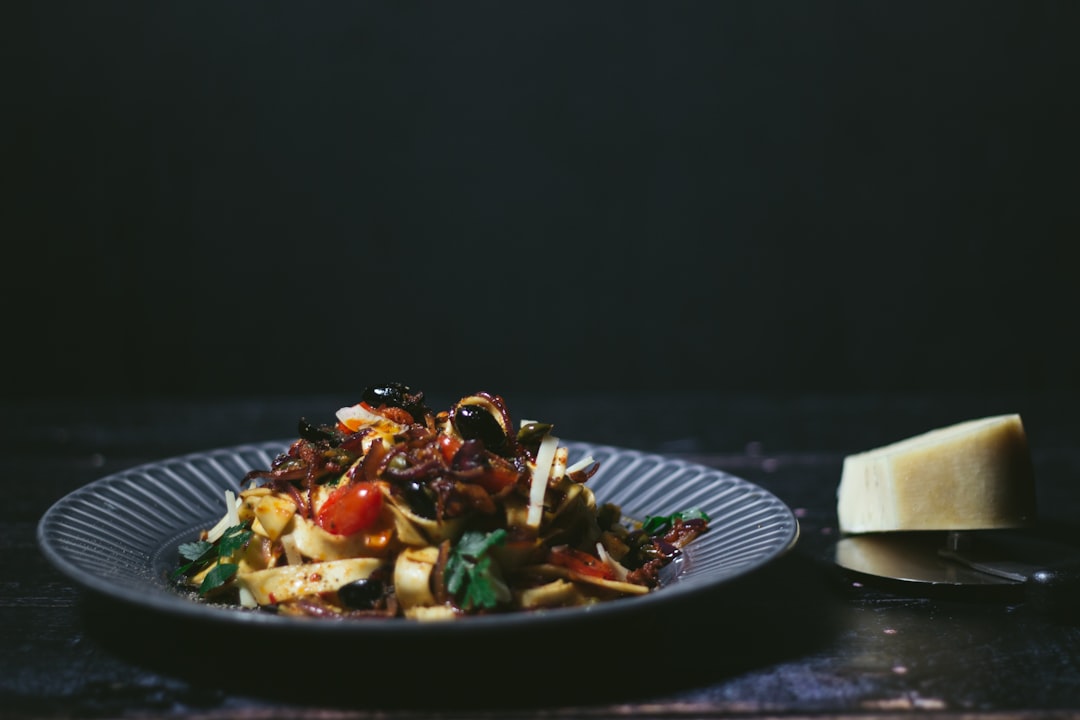
In Emilia-Romagna, the heartland of fresh egg pasta, you’ll discover the silky ribbons of tagliatelle traditionally served with rich ragù bolognese. This region also produces tortellini, those delicate stuffed pasta pockets filled with meat and served in brodo (broth), especially during festive occasions. The pasta-making tradition here is so revered that Bologna’s Chamber of Commerce officially deposited the golden standard for tagliatelle dimensions.
Anúncios
Southern Italy’s Durum Wheat Masterpieces
Southern regions embrace dried pasta made from durum wheat semolina, creating shapes that perfectly capture olive oil-based sauces and seafood preparations. Puglia celebrates orecchiette, the “little ears” pasta traditionally served with cime di rapa (turnip greens) and anchovies. Local nonnas still hand-roll these concave discs on wooden boards, creating the rough texture that makes sauces cling beautifully.
Campania contributes the world-famous spaghetti, paired locally with simple yet profound preparations like aglio, olio e peperoncino (garlic, oil, and chili pepper) or alle vongole (with clams). The volcanic soil near Mount Vesuvius produces exceptional San Marzano tomatoes, making this region’s pasta al pomodoro an unforgettable experience.
Hidden Pasta Gems Worth Discovering
Beyond the famous varieties, Italy harbors lesser-known pasta shapes that showcase regional creativity. Sardinia’s fregola resembles toasted couscous and pairs wonderfully with seafood and saffron. Liguria’s trofie, twisted hand-rolled pasta, serves as the traditional vehicle for authentic pesto genovese made with local basil, pine nuts, Parmigiano-Reggiano, and Pecorino.
Tuscany offers pici, thick hand-rolled spaghetti with a rustic texture that embraces hearty meat sauces or the simple aglio e olio treatment. In Abruzzo, chitarra pasta gets its name from the guitar-like tool used to cut the square-shaped strands, typically served with lamb ragù or pallottine (tiny meatballs).
🦞 Coastal Treasures: Italy’s Seafood Traditions by the Sea
Italy’s extensive coastline creates a spectacular seafood culture that varies dramatically from the Adriatic to the Tyrrhenian Sea, from the Ligurian coast to Sicily’s shores. Each maritime region has developed distinct preparations that highlight local catches and reflect centuries of fishing traditions.
Venice and the Veneto region showcase their lagoon heritage through dishes like sarde in saor (sweet and sour sardines with onions, pine nuts, and raisins) and risotto al nero di seppia (squid ink risotto). The city’s historic fish market near the Rialto Bridge still operates as it has for centuries, offering the freshest catch from the Adriatic each morning.
Sicily’s Mediterranean Seafood Symphony
Sicily’s strategic Mediterranean position has created a seafood culture influenced by Arab, Spanish, and Greek traditions. Pasta con le sarde combines fresh sardines with wild fennel, pine nuts, raisins, and saffron in a dish that perfectly represents the island’s complex cultural heritage. The coastal town of Trapani specializes in couscous di pesce, reflecting North African influences, while Catania celebrates swordfish prepared dozens of different ways.
The island’s tuna tradition, particularly around Favignana, includes bottarga (cured tuna roe), ventresca (tuna belly), and the ancient tonnara fishing ritual. Fresh sea urchins, eaten raw directly from the shell, represent a delicacy that locals harvest from rocky coastlines during winter months.
Liguria’s Elegant Seafood Approach
The Italian Riviera takes a more delicate approach to seafood, emphasizing fresh flavors with minimal intervention. Ciuppin, the Ligurian fish soup from which French bouillabaisse allegedly descended, showcases local rockfish in a tomato-based broth. Acciughe (anchovies) from Monterosso are legendary, prepared fresh, marinated, or preserved in olive oil and salt.
Genoa’s tradition of fritto misto di mare (mixed fried seafood) demonstrates the Italian mastery of frying technique, creating light, crispy coatings that never overwhelm the delicate fish flavors. The secret lies in using the freshest catch and maintaining precise oil temperatures.
🧀 The Cheese Chronicles: From Alpine Dairies to Southern Farmsteads
Italian cheese production represents one of Europe’s most sophisticated dairy traditions, with over 400 distinct varieties ranging from fresh soft cheeses to aged hard cheeses that have been produced using identical methods for centuries. Understanding regional cheese culture reveals the deep connection between landscape, climate, and flavor.
Northern Italy’s alpine regions produce some of the world’s most celebrated hard cheeses. Parmigiano-Reggiano, the “King of Cheeses,” comes exclusively from specific provinces in Emilia-Romagna and undergoes a minimum 12-month aging process, though the finest examples age for 36 months or longer. Each wheel carries a unique identification number, guaranteeing authenticity and traceability.
The Diversity of Italian Cheese Traditions
Lombardy contributes numerous cheese varieties, from the creamy Gorgonzola with its distinctive blue veining to Taleggio, a washed-rind cheese with a soft, tangy interior. Grana Padano, often considered Parmigiano’s cousin, comes from the Po Valley and offers similar characteristics at a more accessible price point.
Central Italy celebrates Pecorino cheeses made from sheep’s milk. Pecorino Romano, despite its name, is now primarily produced in Sardinia, where it develops its sharp, salty character. Tuscany produces Pecorino Toscano, available both fresh (fresco) and aged (stagionato), each offering completely different flavor profiles.
Southern Cheese Specialties
Southern regions excel in fresh cheese production, utilizing the abundant milk from water buffalo and cows. Campania’s Mozzarella di Bufala Campana DOP represents the pinnacle of fresh cheese making, with its delicate, milky flavor and soft, elastic texture. True buffalo mozzarella should be consumed within days of production to appreciate its full character.
Puglia produces burrata, a mozzarella shell filled with cream and stracciatella that has become internationally fashionable. The region also makes caciocavallo, a semi-hard stretched-curd cheese traditionally hung to age in pairs. Sicily’s ricotta, technically a dairy by-product rather than cheese, appears in both savory and sweet preparations, from pasta fillings to the iconic cannoli.
🍷 Wine Regions: Terroir, Tradition, and Italy’s Viticultural Diversity
Italy competes with France as the world’s leading wine producer, cultivating hundreds of indigenous grape varieties across dramatically different terroirs. From alpine valleys to volcanic islands, Italian wine culture reflects an extraordinary commitment to preserving traditional grape varieties and local wine-making philosophies.
Piedmont in northwestern Italy produces some of the country’s most prestigious wines. Barolo and Barbaresco, both made from Nebbiolo grapes, represent the pinnacle of Italian red wine production. These powerful, tannic wines require years of aging to reveal their complex flavors of tar, roses, and dark fruit. The region also produces Barbera and Dolcetto for earlier drinking, along with the sparkling Moscato d’Asti for those preferring sweeter wines.
Tuscany’s Sangiovese Kingdom
Tuscany’s rolling hills create ideal conditions for Sangiovese, the grape behind Chianti, Brunello di Montalcino, and Vino Nobile di Montepulciano. Chianti Classico, from the historic heartland between Florence and Siena, displays the black rooster (gallo nero) symbol guaranteeing quality and authenticity. Brunello di Montalcino requires five years of aging before release, creating wines of extraordinary depth and longevity.
The Super Tuscans movement beginning in the 1970s challenged traditional regulations by blending international varieties like Cabernet Sauvignon and Merlot with Sangiovese, creating world-class wines that initially fell outside official classifications. Today, these wines command premium prices and critical acclaim.
Southern Italy’s Wine Renaissance
Southern regions have experienced a wine quality revolution over recent decades, rediscovering ancient grape varieties and applying modern wine-making techniques. Sicily produces exceptional wines from volcanic soils on Mount Etna, where Nerello Mascalese creates elegant red wines with distinctive mineral character.
Campania cultivates Aglianico, an ancient grape variety producing the powerful Taurasi wines often called “the Barolo of the South.” The region also grows the white Fiano and Greco varieties, creating complex, age-worthy white wines that challenge the notion that Italian whites are simple and meant for immediate consumption.
🌟 Hidden Local Flavors: Regional Specialties Beyond the Tourist Trail
Every Italian region harbors culinary treasures that rarely appear in international restaurants but define local food culture. These dishes and ingredients represent the authentic tastes that Italians themselves seek out and celebrate.
Umbria, often overshadowed by neighboring Tuscany, produces exceptional black truffles around Norcia and features them in simple pasta preparations that let the earthy aroma dominate. The region also specializes in porchetta, whole roasted pig stuffed with wild fennel, garlic, and herbs, traditionally sold by street vendors who carve succulent slices onto crusty bread.
Alpine and Mountain Traditions
Trentino-Alto Adige’s Germanic influences create a unique culinary identity featuring speck (smoked prosciutto), canederli (bread dumplings served in broth), and apple strudel. The region’s high-altitude pastures produce exceptional dairy products, while local valleys cultivate distinctive apple varieties that have been granted protected status.
Valle d’Aosta, Italy’s smallest region, nestled in the Alps, celebrates hearty mountain cuisine with fontina cheese at its center. Fonduta, the local fondue preparation, appears as a sauce for polenta or a filling for crepes. The region also produces Lardo di Arnad, a delicately spiced cured fatback that melts on the tongue.
Unexpected Southern Delicacies
Calabria embraces bold flavors, particularly the region’s famous peperoncino (hot chili pepper) that appears in countless preparations. ‘Nduja, a spicy, spreadable salami, has gained international popularity but remains a Calabrian specialty traditionally served on bread or used to flavor pasta sauces. The region also produces exceptional bergamot, a citrus fruit grown almost exclusively along a narrow coastal strip.
Basilicata, one of Italy’s least-visited regions, offers cruschi peppers (dried sweet peppers fried until crispy), lucanica sausages that date back to ancient Roman times, and peperoni cruschi that add a sweet, crispy element to pasta dishes. The region’s isolation has preserved food traditions that have disappeared elsewhere in Italy.
Preserving Tradition While Embracing Innovation
Modern Italian cuisine walks a careful line between preserving centuries-old traditions and embracing contemporary techniques and global influences. Young chefs throughout Italy are rediscovering forgotten ingredients, reviving abandoned recipes, and presenting traditional dishes with modern sensibilities.
The Slow Food movement, founded in Italy in 1989, has played a crucial role in protecting endangered food traditions and promoting sustainable agriculture. The organization’s Ark of Taste catalog identifies heritage foods at risk of extinction, from specific bean varieties to traditional cheese-making methods, encouraging their preservation and consumption.
Italy’s DOP (Protected Designation of Origin) and IGP (Protected Geographical Indication) systems legally protect regional food products, ensuring that Parmigiano-Reggiano comes only from specific provinces, that Prosciutto di Parma follows traditional production methods, and that consumers receive authentic products. These protections maintain quality standards while supporting local economies and agricultural traditions.
Planning Your Italian Culinary Journey
Experiencing Italy’s regional cuisines firsthand requires strategic planning to maximize authentic food encounters. Rather than attempting to cover the entire country, consider focusing on one or two regions to truly understand their culinary culture. Visit local markets in the morning when vendors display the freshest seasonal produce, observe shopping habits, and ask questions about unfamiliar ingredients.
Seek out agriturismi, working farms that offer meals and sometimes accommodation, providing opportunities to taste hyperlocal products prepared in traditional ways. These establishments often serve whatever is seasonal and available, offering authentic experiences impossible to find in commercial restaurants. Many agriturismi also produce their own wine, olive oil, cheese, or cured meats.
Consider taking cooking classes from local experts who can teach you regional specialties using traditional techniques. Many Italian regions offer week-long culinary programs that combine cooking instruction with market visits, wine tastings, and cultural excursions. Learning to make pasta by hand or understanding the proper way to prepare a regional specialty provides knowledge and skills that last far beyond your trip.

Bringing Italian Regional Flavors Home
Recreating authentic Italian regional dishes at home requires sourcing quality ingredients that respect the original preparations. While some specialty items remain difficult to find outside Italy, many imported Italian products are now widely available through specialty shops and online retailers.
Invest in a few key ingredients that make a significant difference: authentic Parmigiano-Reggiano rather than domestic parmesan, real extra virgin olive oil from a specific Italian region, and imported dried pasta from quality producers like Rustichella d’Abruzzo or Pastificio dei Campi. These foundational ingredients elevate simple dishes and provide flavors closer to what you’d experience in Italy.
Respect the principle of seasonality that governs Italian cooking. Rather than forcing recipes that require ingredients out of season, adapt your cooking to what’s fresh and available. This approach aligns with how Italians actually cook and often produces better results than attempting to source mediocre off-season produce to match a specific recipe.
Understanding Italian regional cuisine transforms your appreciation of this remarkable food culture from superficial familiarity to genuine knowledge. Each region’s distinctive flavors tell stories of geography, history, and the passionate people who have preserved these traditions across generations. Whether you’re planning a culinary journey through Italy or recreating regional specialties in your own kitchen, this diverse gastronomic landscape offers endless opportunities for discovery and delight. The beauty of Italian cuisine lies not just in its delicious flavors, but in how deeply it connects food to place, season, and tradition—a philosophy that enriches every meal and celebrates the simple perfection of quality ingredients prepared with care and respect. 🇮🇹
