
Anúncios
Every year, billions of pounds of perfectly good food end up in landfills while household budgets suffer. The good news? You have more control than you think.
Food waste isn’t just an environmental crisis—it’s a silent drain on your wallet and kitchen efficiency. When you throw away spoiled produce, forgotten leftovers, or expired pantry items, you’re literally tossing money in the trash. But with strategic planning and simple habit shifts, you can transform your kitchen into a zero-waste zone that saves money, reduces environmental impact, and makes cooking more enjoyable. This comprehensive guide will walk you through practical, actionable strategies to minimize food waste while maximizing your kitchen’s potential.
Anúncios
🍎 Understanding the Real Cost of Food Waste
Before diving into solutions, it’s crucial to understand what’s at stake. The average household wastes approximately 30-40% of the food they purchase, translating to hundreds or even thousands of dollars annually. This waste occurs at every stage: during shopping, storage, preparation, and consumption.
Food waste also contributes significantly to greenhouse gas emissions. When organic matter decomposes in landfills without oxygen, it produces methane—a greenhouse gas 25 times more potent than carbon dioxide. By reducing your household food waste, you’re not just saving money; you’re actively participating in climate action.
Anúncios
Smart Shopping Strategies That Stop Waste Before It Starts
The battle against food waste begins at the grocery store, not in your kitchen. Impulse purchases and poor planning are the primary culprits behind overbuying and eventual waste.
Master the Art of Meal Planning
Meal planning might sound tedious, but it’s your most powerful weapon against food waste. Dedicate 20 minutes each week to planning your meals, considering your schedule, existing ingredients, and realistic portions. Write down breakfast, lunch, dinner, and snacks for each day, then create a precise shopping list based on this plan.
This approach eliminates the “what should we eat tonight?” panic that often leads to takeout orders while fresh ingredients spoil in your refrigerator. It also helps you buy exactly what you need, reducing impulse purchases of items that may never get used.
Shop Your Pantry First
Before heading to the store, conduct a thorough inventory of what you already have. Check your refrigerator, freezer, and pantry. You’ll likely discover forgotten ingredients that can be incorporated into upcoming meals. This practice prevents duplicate purchases and ensures older items get used before they expire.
Embrace the Shopping List (and Stick to It)
A detailed shopping list is your roadmap to efficient purchasing. Organize it by store sections to avoid wandering aimles through aisles where tempting but unnecessary items lurk. When you deviate from your list, ask yourself three questions: Do I have a specific plan for this item? Will I realistically use it within its shelf life? Do I already have something similar at home?
🥬 Proper Storage: The Game-Changer for Food Longevity
Even the best shopping habits won’t prevent waste if you don’t store food correctly. Understanding optimal storage conditions can dramatically extend the life of your groceries.
Master Your Refrigerator Zones
Your refrigerator has temperature zones designed for different food types. The upper shelves are warmest and best for drinks, leftovers, and ready-to-eat foods. Middle shelves work well for dairy products. Lower shelves, being coldest, are ideal for raw meat, poultry, and fish (store these in sealed containers to prevent cross-contamination). Crisper drawers maintain humidity levels perfect for fruits and vegetables, though they require different settings.
Keep your refrigerator temperature between 37-40°F (3-4°C) and your freezer at 0°F (-18°C) or below. Use a refrigerator thermometer to ensure accuracy, as many refrigerators run warmer than their settings suggest.
Fruits and Vegetables: Know Who Likes Whom
Some fruits and vegetables are incompatible roommates. Ethylene-producing fruits like apples, bananas, and tomatoes accelerate ripening in nearby produce. Store these separately from ethylene-sensitive items like lettuce, cucumbers, and broccoli. Potatoes and onions should never share storage space—they cause each other to spoil faster.
Many herbs stay fresh longer when treated like flowers: trim the stems and place them in a glass of water in the refrigerator, covering loosely with a plastic bag. This works beautifully for parsley, cilantro, and basil (though basil prefers room temperature).
Freezer: Your Secret Weapon Against Waste
Your freezer is an underutilized asset in the fight against food waste. Almost anything can be frozen: bread, herbs, cheese, cooked grains, sauces, and most leftovers. Portion items before freezing for easier thawing and use.
Blanch vegetables before freezing to preserve color, texture, and nutrients. Flash-freeze berries and chopped vegetables on baking sheets before transferring to containers, preventing them from clumping together. Label everything with contents and date—frozen food may last months, but it won’t last forever, and mystery containers inevitably get wasted.
Decoding Date Labels: Stop Throwing Away Perfectly Good Food 📅
One of the biggest contributors to unnecessary food waste is misunderstanding date labels. “Sell by,” “best by,” and “use by” dates are often misinterpreted as safety deadlines when they’re actually quality indicators.
“Sell by” dates guide retailers on inventory rotation and tell you nothing about when food becomes unsafe. “Best by” and “use by” dates indicate when quality may decline, not when food becomes dangerous. Except for infant formula, these dates aren’t federally regulated for safety.
Trust your senses. If food looks, smells, and tastes normal, it’s likely safe to consume even past the printed date. Canned goods, dried pasta, and many packaged foods remain safe and nutritious well beyond their “best by” dates. Learning to distinguish between quality deterioration and actual spoilage will dramatically reduce your food waste.
🍳 Creative Cooking: Transform Scraps into Culinary Gold
The most sustainable kitchens treat every ingredient as valuable, including parts typically discarded. Developing a “whole food” mindset opens up surprising culinary possibilities.
Vegetable Scraps Become Stock
Keep a container in your freezer for vegetable scraps: onion peels, carrot tops, celery leaves, herb stems, and mushroom stems. When the container is full, simmer these scraps with water for 1-2 hours to create rich, flavorful vegetable stock. Strain and freeze in portions for future soups, stews, and grain cooking. This transforms “waste” into a valuable ingredient while saving money on store-bought stock.
Bread: From Stale to Spectacular
Stale bread shouldn’t be trashed—it’s an opportunity. Transform it into croutons, bread crumbs, French toast, bread pudding, or panzanella salad. Slightly stale bread actually makes better French toast and bread pudding because it absorbs custard without becoming soggy.
Wilted Vegetables Get a Second Life
Wilted greens, slightly soft vegetables, and past-prime produce are perfect for soups, smoothies, stir-fries, and baked dishes where texture matters less. That slightly wrinkled bell pepper works beautifully in sauce. Overripe bananas make the best banana bread. Soft tomatoes transform into rich pasta sauce.
Leftover Management: Strategic Approaches That Work
Leftovers represent either valuable meal prep or future food waste—the difference lies in your approach. Implement a clear leftover system to ensure nothing gets forgotten in the back of your refrigerator.
The Clear Container Strategy
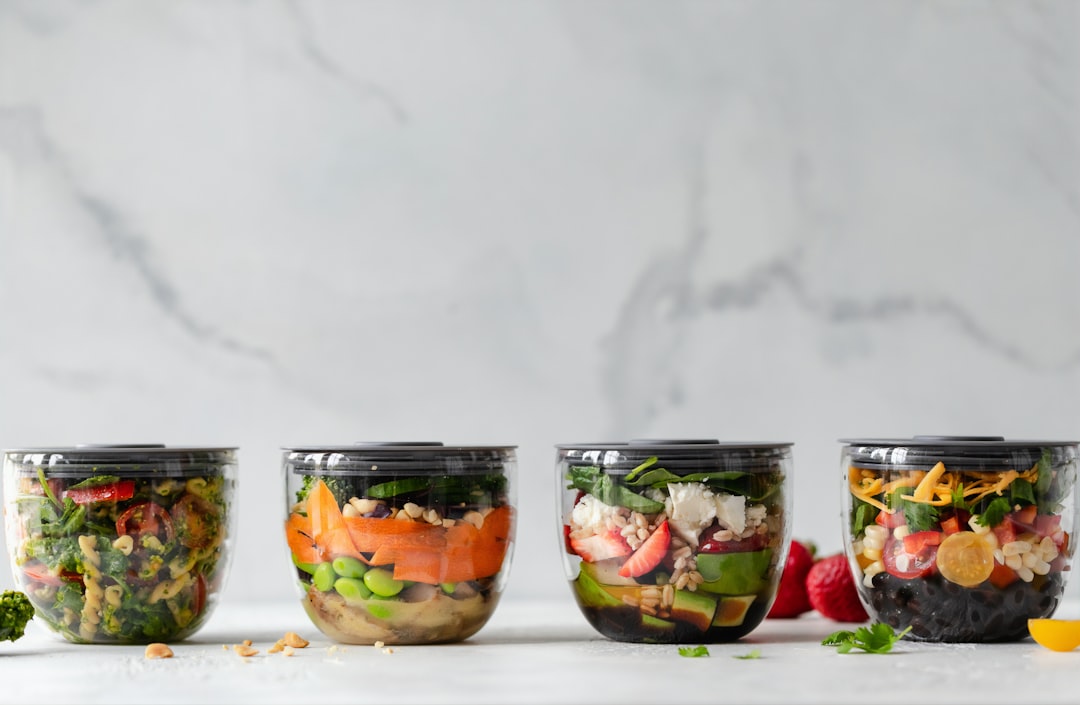
Store leftovers in clear, labeled containers so you can see contents at a glance. Opaque containers hide food, leading to forgotten meals that eventually spoil. Write the date and contents on masking tape or use erasable labels for easy identification.
Designate a Leftover Zone
Dedicate a specific refrigerator shelf to leftovers and make it visible—preferably at eye level. This “eat first” zone reminds everyone in the household what needs consuming soon. Implement a “leftover night” once or twice weekly when the family eats exclusively from this section.
Transform, Don’t Just Reheat
The key to enjoying leftovers is transformation. Last night’s roasted chicken becomes today’s chicken salad, quesadilla filling, or soup. Leftover rice transforms into fried rice or rice pudding. Roasted vegetables blend into pasta sauce or soup. This approach makes leftovers feel like new meals rather than repetitive eating.
📱 Technology Tools to Track and Reduce Waste
Modern technology offers powerful solutions for managing kitchen inventory and reducing waste. Several apps help track food inventory, suggest recipes based on available ingredients, and remind you of expiring items.
Food management apps allow you to scan grocery receipts or barcodes, automatically tracking purchase dates and expiration dates. They send notifications when items are approaching expiration, helping you use food before it spoils. Some apps suggest recipes based on ingredients you need to use soon, turning potential waste into delicious meals.
Nenhum dado válido encontrado para as URLs fornecidas.
Composting: Closing the Loop on Unavoidable Waste ♻️
Despite best efforts, some food waste is inevitable—vegetable peels, eggshells, coffee grounds, and truly spoiled items. Rather than sending these to landfills, composting returns nutrients to the soil while preventing methane emissions.
Home composting doesn’t require a large yard. Countertop composters and worm bins work excellently in apartments. Many communities now offer composting programs that collect food scraps alongside regular trash and recycling. If neither option is available, some farmers’ markets and community gardens accept food scraps for their composting operations.
What Can Be Composted?
Compostable items include fruit and vegetable scraps, coffee grounds and filters, tea bags, eggshells, nutshells, and yard waste. Avoid composting meat, dairy, oils, and cooked foods in home systems, as these attract pests and may not decompose properly without commercial composting facilities’ high temperatures.
Portion Control: Right-Sizing Your Meals
Oversized portions contribute significantly to plate waste. Americans typically serve portions 2-8 times larger than official serving sizes, leading to uneaten food that often gets discarded.
Start with smaller portions, knowing you can always take seconds. Use smaller plates—research shows we perceive the same amount of food as more substantial on smaller plates, leading to greater satisfaction with less food. When cooking, resist the urge to “make enough to feed an army.” Accurately estimate how much your household will eat within 2-3 days.
Building a Waste-Reduction Mindset Throughout Your Household 🏠
Sustainable kitchen practices work best when everyone in your household participates. Education and involvement create lasting habits that become second nature.
Make It a Family Affair
Involve children in meal planning, cooking, and food storage. Kids who help prepare meals are more likely to eat them, reducing plate waste. Teach them about food origins, the work required to produce it, and the environmental impact of waste. This knowledge builds respect for food and mindful consumption habits.
Track Your Progress
Consider conducting a food waste audit. For one week, track everything you throw away: what it is, why it went to waste, and its approximate cost. This eye-opening exercise reveals patterns and problem areas, helping you target specific waste sources with appropriate solutions.
Smart Preservation Techniques for Extended Freshness
Beyond basic storage, traditional preservation methods dramatically extend food life while adding variety to your meals.
Pickling and Fermenting
Quick pickles preserve vegetables for weeks, while fermentation creates probiotics that enhance gut health. Cabbage becomes sauerkraut, cucumbers transform into pickles, and excess hot peppers turn into hot sauce. These processes require minimal equipment and add complex flavors to your culinary repertoire.
Dehydrating
Dehydration concentrates flavors while removing moisture that causes spoilage. Dehydrate excess herbs, make fruit leather from overripe fruit, or create vegetable chips from surplus produce. You don’t need expensive equipment—many items can be dried in a low-temperature oven.
Canning and Preserving
For those with abundant produce, water bath canning and pressure canning preserve foods for years. Tomatoes, jams, pickles, and salsas are popular canning projects that capture peak-season flavors for year-round enjoyment.
The Financial Rewards of Waste Reduction 💰
The financial benefits of reducing food waste extend beyond obvious savings on groceries. When you waste less food, you need to shop less frequently, saving time and reducing impulse purchases. You’ll also spend less on trash bags and waste disposal fees.
Calculate your potential savings by estimating current waste. If your household spends $200 weekly on groceries and wastes 30%, that’s $60 weekly or $3,120 annually—literally thrown in the trash. Even cutting waste by half saves over $1,500 yearly, enough for a vacation, emergency fund contribution, or debt reduction.

Small Changes, Big Impact: Your Action Plan
Transforming your kitchen into a zero-waste zone doesn’t happen overnight. Start with one or two strategies, master them, then gradually add more. Perhaps begin with meal planning and proper storage, then incorporate leftover management and creative cooking as these habits solidify.
Remember that perfection isn’t the goal—progress is. Even small reductions in food waste generate meaningful financial savings and environmental benefits. Every meal you don’t throw away, every ingredient you use completely, and every storage technique you master contributes to a more sustainable, efficient, and economical kitchen.
The journey toward minimal food waste is also a journey toward more intentional living. You’ll develop deeper appreciation for food, stronger cooking skills, and greater awareness of consumption patterns. Your kitchen becomes not just a place where meals are prepared, but a hub of creativity, sustainability, and mindful resource management.
By implementing these strategies consistently, you’ll discover that wasting less and saving more aren’t just environmental buzzwords—they’re practical, achievable goals that enhance your life while protecting the planet. Your kitchen’s efficiency will soar, your grocery budget will stretch further, and you’ll take satisfaction in knowing that your daily choices make a genuine difference. Start today with one small change, and watch as these smart, simple habits transform your relationship with food, money, and sustainability.
